Saint-Gobain Glass for Aluminium Windows & Facades
Architectural Glass Solutions

Saint-Gobain Glass for Aluminium Windows & Facades

High-performance architectural glazing solutions combining thermal insulation, solar control, safety, security and acoustic comfort for contemporary aluminium windows, doors and façades.

Solar Control Low-E Glass Safety Glass Security Glass Acoustic Glazing Warm Edge
Beyond the aluminium frame

Glass is a critical part of window performance.

In modern aluminium architecture, glass represents the largest part of many window and façade surfaces. Selecting the appropriate glazing therefore has a direct influence on thermal performance, solar heat gain, daylight, safety, security and acoustic comfort.

Mparolas Aluminium Systems integrates high-performance Saint-Gobain glazing solutions with thermally broken aluminium systems for residential, hospitality, commercial and façade projects.

Each glazing specification is selected according to the dimensions, orientation, architectural requirements and required project performance.

Ug Thermal transmittance of the glazing unit.
g-value Percentage of solar energy entering through the glass.
LT Visible light transmitted through the glazing.
Rw Weighted sound reduction index for acoustic performance.
Thermal Insulation Low-emissivity glazing helps reduce heat transfer.
Solar Protection Solar-control coatings reduce unwanted solar heat gain.
Natural Light Selective coatings balance daylight and solar control.
Safety & Security Laminated and tempered solutions for demanding applications.
Acoustic Comfort Acoustic PVB solutions help reduce external noise.
Residential performance glass

PLANISTAR®

Saint-Gobain PLANISTAR solutions combine low-emissivity performance with solar control, helping create comfortable interior environments throughout the year.

01 / Energy-efficient glazing

PLANISTAR® EVO

A selective low-emissivity glazing solution designed to combine winter thermal insulation with protection against excessive solar heat during warmer periods.

It is particularly suitable for residential windows, balcony doors and large glazed openings where year-round indoor comfort is required.
Low-E Solar Control Residential Year-Round Comfort
02 / Enhanced transparency

PLANISTAR® SUN

PLANISTAR SUN combines thermal insulation and solar protection while maintaining a clear architectural appearance and high levels of natural daylight.

It can be integrated into insulating glazing units and can also form part of laminated safety or acoustic glazing configurations.

Thermal Comfort Solar Protection Daylight Insulating Glass
Advanced solar control

COOL-LITE® XTREME

High-performance triple-silver solar-control coatings designed for architecture requiring generous daylight, low solar heat gain and strong thermal performance.

COOL-LITE® XTREME 70/33 II

Triple Silver

Designed for projects where high transparency is a priority. In the reference Saint-Gobain double glazing configuration, light transmission is approximately 70% while the solar factor is 33%.

COOL-LITE® XTREME 61/29 II

Higher Solar Control

A more solar-selective option providing approximately 61% light transmission and a 29% solar factor in the reference double-glazing configuration.

Reference performance

Daylight without uncontrolled solar heat.

Reference values below relate to specific Saint-Gobain configurations. Final values depend on glass thickness, cavity width, gas filling, substrate and overall glazing build-up.

XTREME 70/33 II

Highly transparent solar-control glass for premium façades and large glazed openings.

Light Transmission 70%
Solar Factor 33%
Reference Ug 1.0

XTREME 61/29 II

Increased solar protection while maintaining substantial natural daylight.

Light Transmission 61%
Solar Factor 29%
Reference Ug 1.0
Safety & security

Laminated Glass & Anti-Vandal Glazing

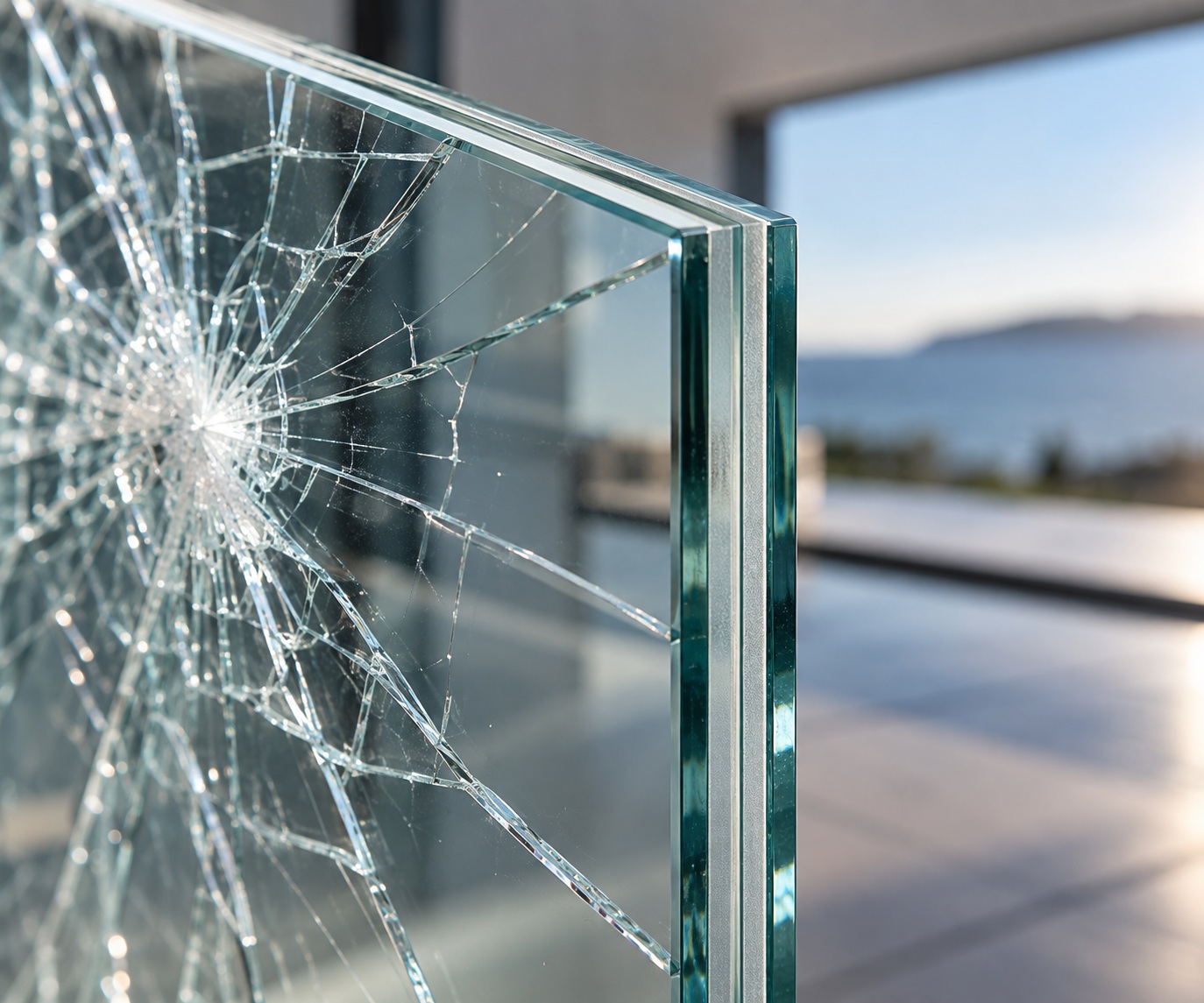
Laminated safety glazing consists of glass sheets bonded by one or more PVB interlayers. If breakage occurs, fragments are retained by the interlayer, while enhanced configurations can provide increased resistance to impact and penetration.

Laminated security and safety glass with PVB interlayer for anti-vandal glazing
STADIP® / STADIP® PROTECT

Safety that remains in place after breakage.

Laminated glass can be configured for different levels of personal safety, impact resistance and security by varying the glass thickness and number of PVB interlayers.

  • Glass fragments remain bonded to the PVB interlayer.
  • Increased resistance to accidental impact.
  • Enhanced configurations for vandalism and security requirements.
  • Suitable for windows, doors, façades and overhead glazing.
  • Can be integrated with thermal and solar-control coatings.
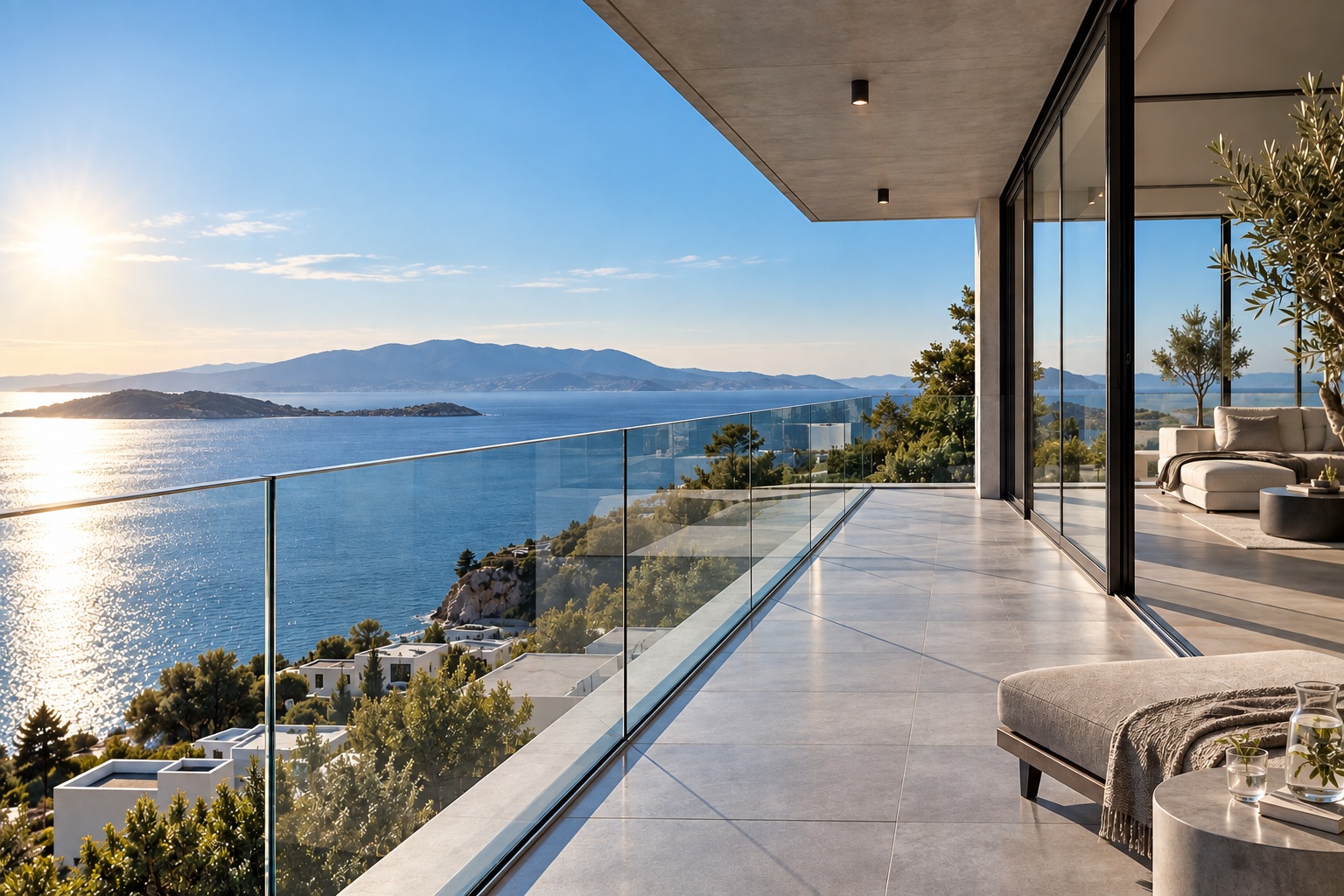
Saint-Gobain SECURIT tempered safety glass used in architectural balustrade glazing
Thermally toughened safety glass

SECURIT® Glass

SECURIT is thermally toughened safety glass engineered for increased mechanical and thermal resistance compared with conventional annealed glass.

It is widely used where safety requirements, larger glass dimensions, thermal stresses or demanding architectural applications require heat-treated glazing.

  • Thermally toughened safety glass.
  • Greater mechanical resistance than annealed glass.
  • Improved resistance to thermal stress.
  • Suitable for large architectural glazing.
  • Applications include façades, doors and glass balustrades.
Acoustic glazing

STADIP SILENCE®

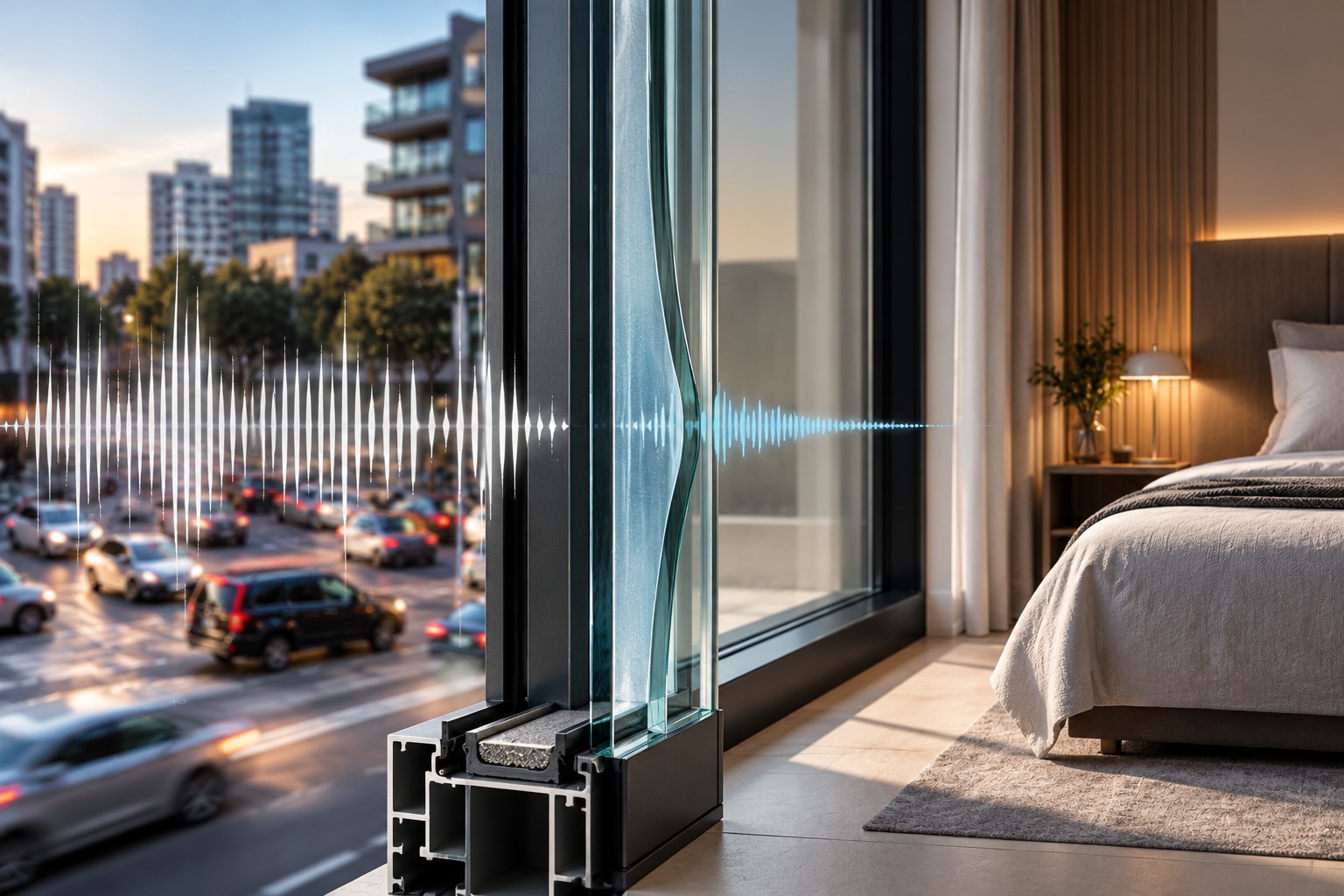
Acoustic comfort cannot be achieved by the aluminium frame alone. The glazing build-up plays a fundamental role in the overall sound reduction performance of the window.

Saint-Gobain STADIP SILENCE uses a special acoustic PVB interlayer designed to reduce the transmission of sound, particularly around the critical frequency of glass.

It can be incorporated into double or triple insulating glass units and combined with thermal or solar-control glazing.

33 dB STADIP SILENCE 22.1 reference Rw
37 dB STADIP SILENCE 44.2 reference Rw
41 dB STADIP SILENCE 88.2 reference Rw
Saint-Gobain STADIP SILENCE acoustic laminated glazing with PVB Silence sound insulation
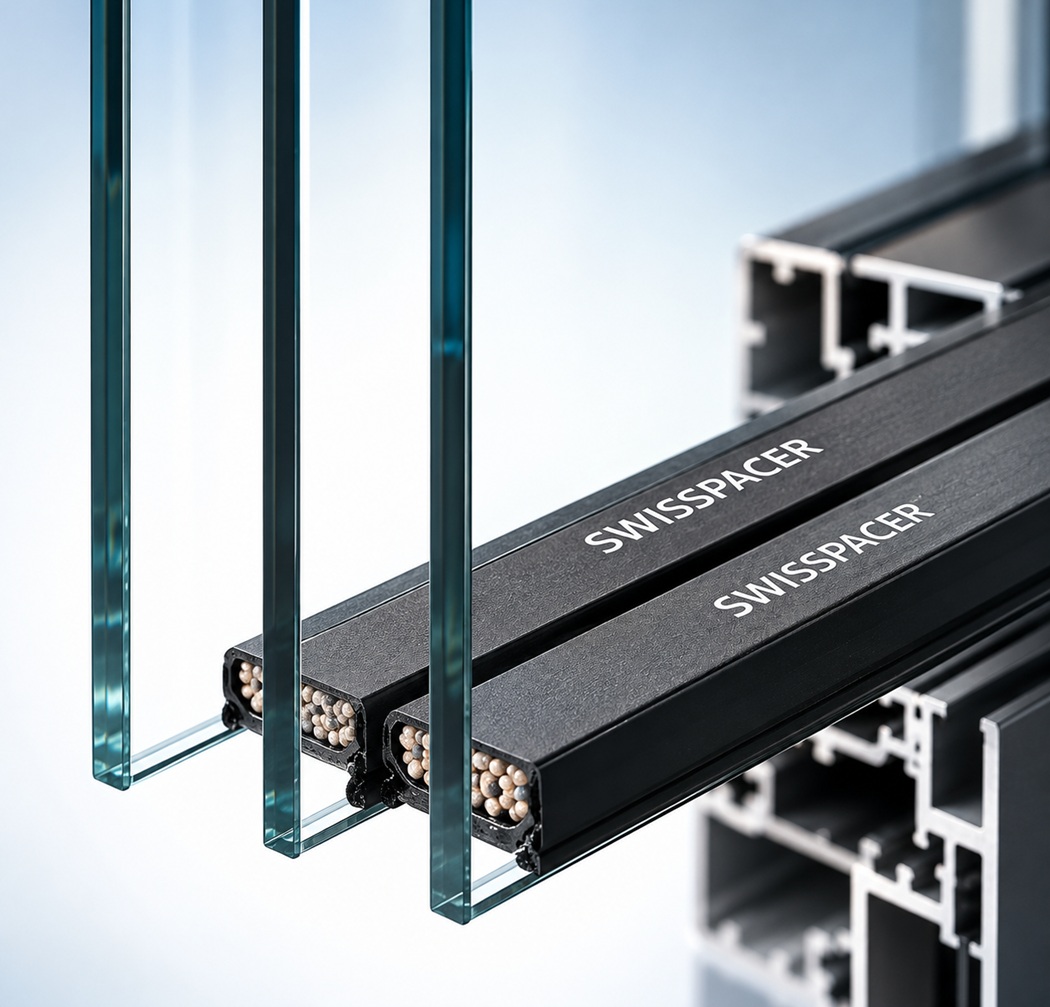
SWISSPACER warm edge spacer in triple glazed aluminium window
Warm Edge Technology
The edge of the glass matters

SWISSPACER Warm Edge

The spacer separating the panes of an insulating glass unit influences heat transfer around the perimeter of the glazing. Warm-edge technology reduces this thermal bridge compared with conventional aluminium spacer bars.

SWISSPACER Ultimate

Premium warm-edge spacer designed for maximum thermal performance, low Psi values and improved Uw performance at the glass edge.

SWISSPACER Advance

High-performance warm-edge solution offering a strong balance between thermal efficiency, durability and cost effectiveness.

Why Warm Edge?

Reduced perimeter thermal bridging can increase interior glass-edge temperatures and help reduce the risk of condensation under appropriate building conditions.

Project-specific engineering

Typical Glazing Configurations

Glass composition should always be selected according to project requirements. The following examples illustrate common design principles rather than universal specifications.

Thermal Comfort

Energy-Efficient Double Glazing

Low-E / Argon Cavity / Inner Pane

Suitable for modern thermally broken aluminium windows where thermal efficiency, daylight and everyday comfort are priorities.

High Performance

Triple Glazing

Glass / Warm Edge / Glass / Warm Edge / Glass

Designed for projects requiring higher levels of thermal insulation, with glazing specification determined by the complete window and project requirements.

Understanding glass performance

Key Technical Values

Ug

Glass U-value

Measures thermal transmittance through the glazing. Lower values indicate better thermal insulation.

Uw

Window U-value

Represents the thermal performance of the complete window, including frame, glass and edge effects.

g

Solar Factor

Indicates the proportion of total solar energy transmitted through the glazing.

LT

Light Transmission

Indicates the percentage of visible daylight transmitted through the glass.

Rw

Sound Reduction

Weighted laboratory index used to describe airborne sound insulation performance.

Architectural applications

One glazing strategy does not fit every building.

Orientation, opening dimensions, climate, building use and acoustic or safety requirements should all be considered when specifying architectural glass.

01

Private Residences

Thermal comfort, natural light, solar protection, security and acoustic performance.

02

Hotels

Guest comfort, sound reduction and high-performance façade glazing.

03

Office Buildings

Daylight management, solar control and façade energy performance.

04

Large Openings

High-performance glazing for minimal aluminium sliding systems and expansive glass surfaces.

05

Curtain Walls

Selective solar-control coatings for glazed façades and commercial architecture.

06

Urban Buildings

Acoustic laminated glazing for properties exposed to road, rail or urban noise.

07

Safety Applications

Laminated and thermally toughened glazing according to project safety requirements.

08

International Projects

Project-specific glazing specifications coordinated with aluminium window and façade requirements.

Technical Note

Glass performance values depend on the complete glazing composition, glass thicknesses, coating position, cavity dimensions, gas filling and processing method. Values shown on this page are indicative/reference values and should not be interpreted as the declared performance of every possible glazing configuration. Final glass specification and calculated Ug, Uw, solar, acoustic and safety performance must be confirmed for the specific project and glazing composition.

Mparolas Aluminium Systems

Specify aluminium and glass as one complete system.

From minimal sliding doors and thermally broken windows to large glazed façades, our team can coordinate aluminium systems, insulating glazing, safety requirements and project performance as part of one integrated specification.

Keyword suggestion: Building, Residence